Thailand: Achieve complete plastic waste recycling by 2027
author: YONGJIANG GROUP
2024-07-26
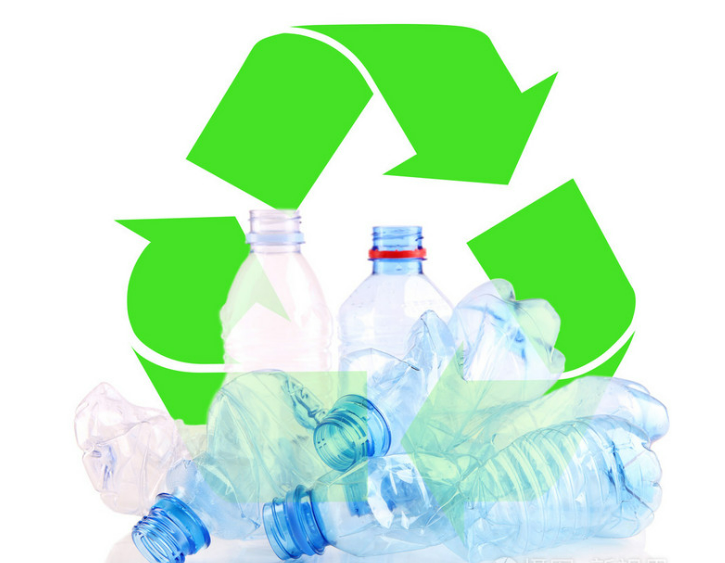
Thailand: Achieve complete plastic waste recycling by 2027.
The Ministry of Natural Resources and Environment of Thailand recently expressed optimism towards the goal of achieving 100% plastic waste recycling by 2027. To encourage plastic waste recycling, the ministry is partnering with the private sector to accelerate the production of recyclable plastic products to replace single-use plastic bags.
Thailand's Plastic Waste Management Policy
Currently, Thailand is implementing the "2018-2030 Plastic Waste Management Roadmap," with the goal of gradually reducing and ultimately stopping the use of plastic products and achieving 100% recycling and reuse of plastic waste by 2027. The first phase of the roadmap (2018-2022) has been completed, with Thailand reducing plastic bag usage by nearly 150,000 tons from 2020 to 2022 alone. The second phase (2023-2027) was approved last February, with the goal of maximizing plastic product recycling and reuse.
According to Thai media reports, Thailand produces approximately two million tons of plastic waste each year, with only 25% effectively recycled. In addition, "foreign garbage" from developed countries is also a contributing factor to Thailand's plastic waste pollution, with 372,000 tons of plastic waste imports expected in 2023. To address this issue, the Thai government has decided to ban imports of plastic waste from January 1, 2025. The government also requires that by 2024, 14 recycling stations in tax-free zones reduce the amount of imported plastic waste to half of their processing capacity, and recycling stations outside tax-free zones must have the necessary credentials to engage in plastic waste import and processing.
The Thai government is also partnering with supermarkets, restaurants, and other businesses to promote the reduction of single-use plastics and encourage plastic waste recycling. The Ministry of Natural Resources and Environment stated that it is working with about 9,530 restaurants nationwide to reduce the use of plastic straws, disposable plastic cups, and thin plastic bags, promoting the development of a circular economy. Journalists have found that in many chain restaurants in Thailand, both dine-in and takeaway, plastic straws have been replaced with recyclable paper straws, and takeaway packaging is more likely to be made of recyclable materials such as paper boxes, paper bags, and degradable materials. Large supermarkets also offer eco-friendly shopping bags that can be reused for a fee.
Some institutions and companies in Thailand are also promoting environmental awareness among the public through various means. The National Parks, Wildlife and Plant Conservation Department of Thailand launched a campaign to “reduce and eliminate littering in national parks," requiring visitors to take their trash out of the national parks and dispose of it in designated locations. A technology company also launched "green vending machines," where people can put their discarded plastic bottles in the machines, and receive a corresponding amount of coins based on the weight of the bottles. A beverage company launched the "Recycle Coke Bottles for Lucky Rewards" campaign in Bangkok and Phuket, setting up 69 bottle collection points and offering different amounts of cash rewards to participants, encouraging people to separate waste and promote plastic waste recycling. The company spokesperson stated that both original and sugar-free Coca-Cola bottles are made of PET plastic and can be 100% recycled, but need to be classified and processed correctly.
Kongsak, Vice President of the Plastic Market Analysis Department of the Thailand Plastics Institute, stated that Thailand is actively implementing the Extended Producer Responsibility (EPR) system, promoting recyclability design in the upstream supply chain, increasing collection volume in the downstream recycling side, improving the overall recycling rate, and optimizing sorting and recycling technology, aiming to establish a full-cycle plastic waste management model and continuously reduce plastic waste pollution.
Thailand's Plastic Waste Management Policy
Currently, Thailand is implementing the "2018-2030 Plastic Waste Management Roadmap," with the goal of gradually reducing and ultimately stopping the use of plastic products and achieving 100% recycling and reuse of plastic waste by 2027. The first phase of the roadmap (2018-2022) has been completed, with Thailand reducing plastic bag usage by nearly 150,000 tons from 2020 to 2022 alone. The second phase (2023-2027) was approved last February, with the goal of maximizing plastic product recycling and reuse.
According to Thai media reports, Thailand produces approximately two million tons of plastic waste each year, with only 25% effectively recycled. In addition, "foreign garbage" from developed countries is also a contributing factor to Thailand's plastic waste pollution, with 372,000 tons of plastic waste imports expected in 2023. To address this issue, the Thai government has decided to ban imports of plastic waste from January 1, 2025. The government also requires that by 2024, 14 recycling stations in tax-free zones reduce the amount of imported plastic waste to half of their processing capacity, and recycling stations outside tax-free zones must have the necessary credentials to engage in plastic waste import and processing.
The Thai government is also partnering with supermarkets, restaurants, and other businesses to promote the reduction of single-use plastics and encourage plastic waste recycling. The Ministry of Natural Resources and Environment stated that it is working with about 9,530 restaurants nationwide to reduce the use of plastic straws, disposable plastic cups, and thin plastic bags, promoting the development of a circular economy. Journalists have found that in many chain restaurants in Thailand, both dine-in and takeaway, plastic straws have been replaced with recyclable paper straws, and takeaway packaging is more likely to be made of recyclable materials such as paper boxes, paper bags, and degradable materials. Large supermarkets also offer eco-friendly shopping bags that can be reused for a fee.
Some institutions and companies in Thailand are also promoting environmental awareness among the public through various means. The National Parks, Wildlife and Plant Conservation Department of Thailand launched a campaign to “reduce and eliminate littering in national parks," requiring visitors to take their trash out of the national parks and dispose of it in designated locations. A technology company also launched "green vending machines," where people can put their discarded plastic bottles in the machines, and receive a corresponding amount of coins based on the weight of the bottles. A beverage company launched the "Recycle Coke Bottles for Lucky Rewards" campaign in Bangkok and Phuket, setting up 69 bottle collection points and offering different amounts of cash rewards to participants, encouraging people to separate waste and promote plastic waste recycling. The company spokesperson stated that both original and sugar-free Coca-Cola bottles are made of PET plastic and can be 100% recycled, but need to be classified and processed correctly.
Kongsak, Vice President of the Plastic Market Analysis Department of the Thailand Plastics Institute, stated that Thailand is actively implementing the Extended Producer Responsibility (EPR) system, promoting recyclability design in the upstream supply chain, increasing collection volume in the downstream recycling side, improving the overall recycling rate, and optimizing sorting and recycling technology, aiming to establish a full-cycle plastic waste management model and continuously reduce plastic waste pollution.
plastic waste in the global market
Related Article
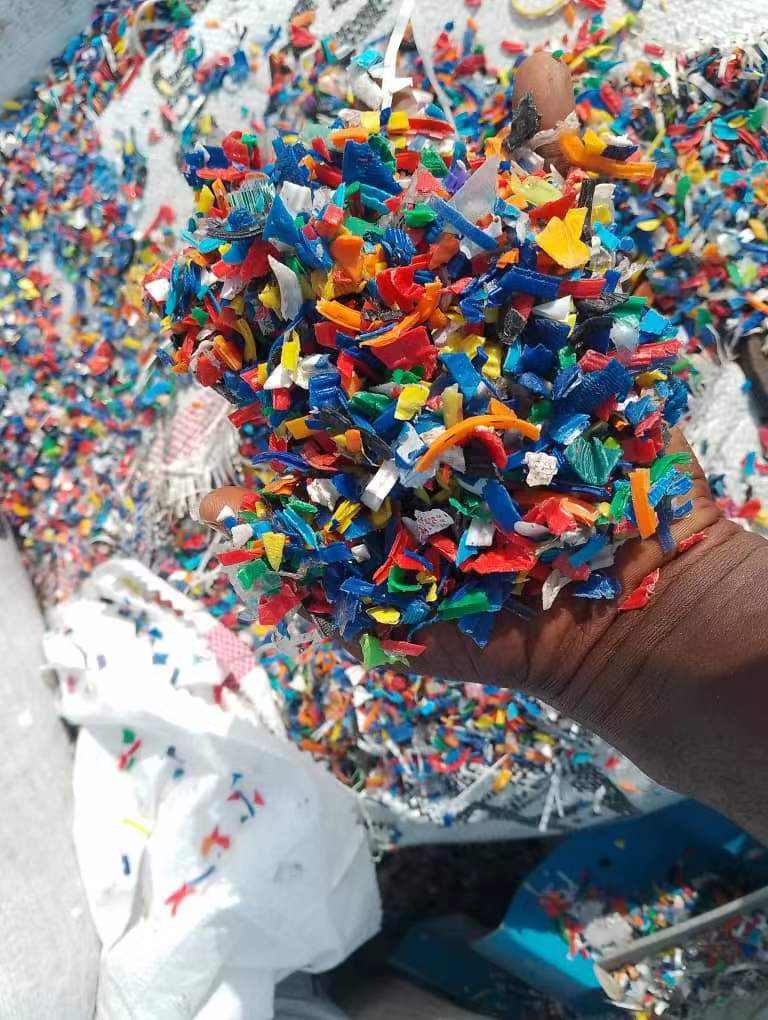
Every year, approximately 350 million tons of plastic waste are generated globally, equivalent to more than 10 million fully loaded garbage trucks. Most plastic waste is either incinerated or sent to landfills. Only a small portion of this waste is recycled, and only 2% is traded internationally.
plastic waste in the global market

Injection molding machines are one of the commonly used plastic molding methods in injection molding machine industry, and this product has now been widely used in various industries such as general plastics, automotive industry, and household appliances.
injection molding machine industry keep growing in 2024
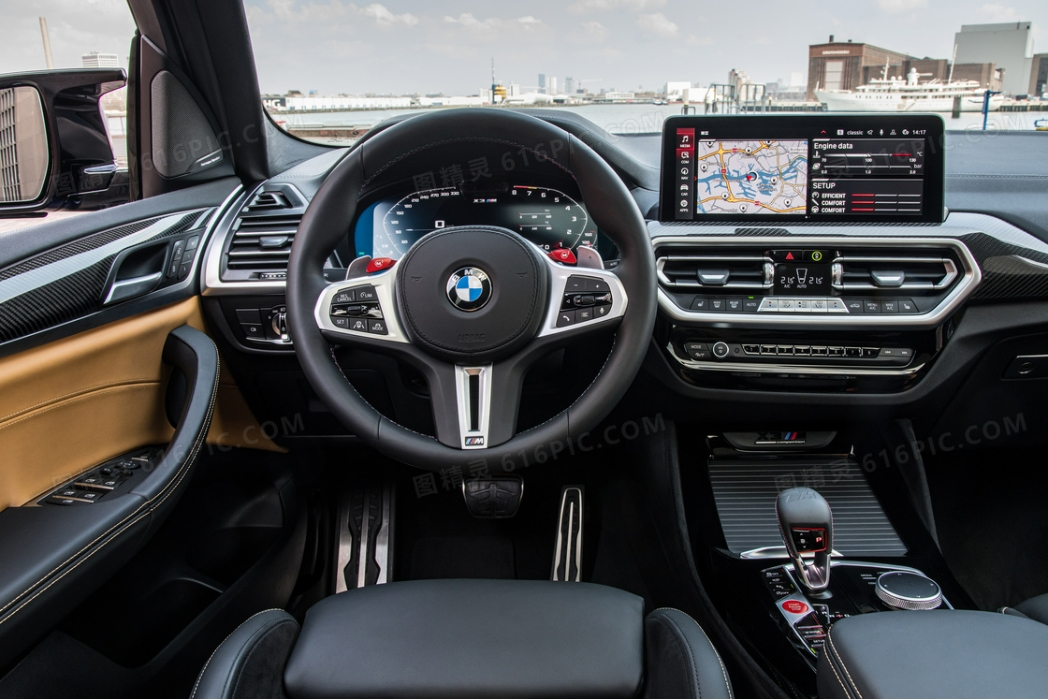
Polycarbonate (PC) is a general term for a class of high molecular weight polymers containing carbonate structures in their molecular chains. Classified by the functional groups on the molecular chain, they can be divided into aliphatic, aromatic or aliphatic-aromatic PC.
Application scheme of modified polycarbonate (PC) materials in automobiles